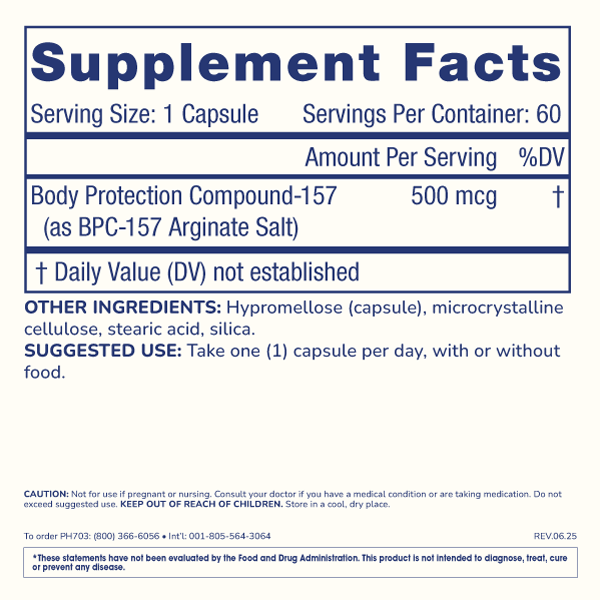
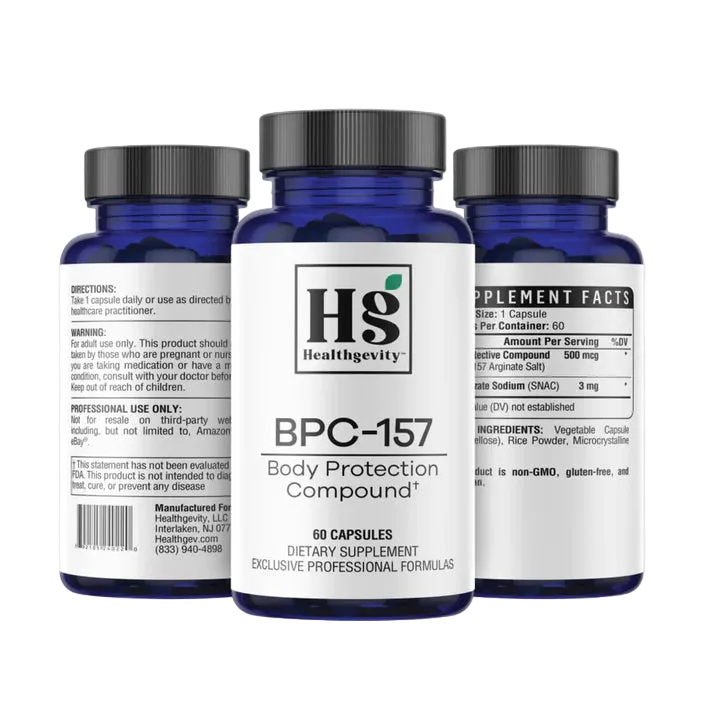
The peptides for muscle growth and recovery research overview covers the broader IGF-1 mediated research context, and the peptide side effects research overview covers the considerations at higher dose ranges
Para m se trata de sentirme cmoda en mi cuerpo, afirm

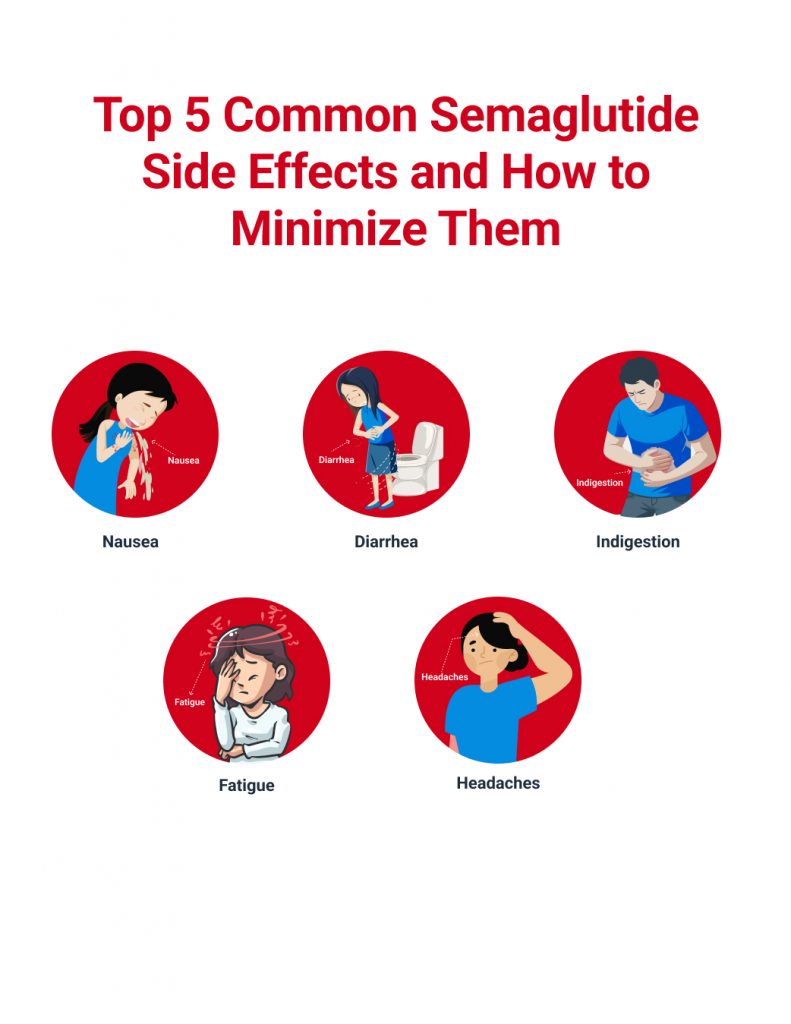
Studies Linking Ozempic/GLP-1 to Gastroparesis Several studies have found a potential link between GLP-1 medications and risk of developing gastroparesis, including: Gastroparesis Signs & Symptoms Gastroparesis signs and symptoms can potentially include: Food sitting in stomach for a long time Delayed gastric emptying Slow stomach emptying Excessive vomiting Excessive nausea Excessive bloating Too much belching Stomach pain Stomach ache Spasms of the stomach wall Feel nauseous like have to throw up Feeling full immediately after eating (early satiety) Feeling full for a long time after eating Regurgitating food Indigestion Acid reflux or heartburn Changes in blood sugar levels Lack of appetite Weight loss Malnutrition Constipation Delayed bowel movements Undigested pieces of food in stool Distended (stretched) stomach Dehydration Blood sugar fluctuations Bacteria growth Infections Body aches (myalgia) Muscle weakness Other gastroparesis symptoms Procedures and tests used by gastroenterologists or internists to diagnose gastroparesis can include gastric emptying tests (e.g., a gastric emptying scintigraphy (GES) test that detects the movement of radioactive material to monitor the rate at which food leaves the stomach, a gastric motility breath test (GEBT) that can show how fast the stomach empties after consuming food, a SmartPill wireless motility capsule, etc.), an upper gastrointestinal (GI) endoscopy (to visually examine the upper digestive system, including the stomach), an abdominal ultrasound, upper GI series x-ray, MRI, and CT Scan

Other work explores diet composition and cardiac measures in healthy dogs, which helps frame supplementation as part of a bigger nutrition picture
How many eggs do I need to eat for 3 grams of leucine