10 mg in 3 mL bacteriostatic water = 3.33 mg/mL
Elevated serum B12 is usually asymptomatic and discovered incidentally during routine blood tests Common causes include B12 supplementation, liver disease, haematological disorders, and chronic kidney disease Symptoms such as jaundice, unexplained weight loss, or bruising suggest underlying pathology requiring investigation B12 is water-soluble with no established upper safe limit, and excess is naturally excreted by the kidneys Management focuses on identifying and treating underlying causes rather than lowering B12 levels directly Patients with persistent elevation should undergo comprehensive assessment including liver function, renal function, and haematological investigations Table of Contents What Are the Symptoms of High Vitamin B12 Levels
Warnings Patients who have early Leber's disease (hereditary optic nerve atrophy) have been found to suffer severe and swift optic atrophy when treated with vitamin B12
Muscle preservation: Because AOD 9604 targets adipose tissue specifically and does not suppress systemic anabolic signaling, researchers have hypothesized that it may allow for fat loss with less collateral impact on lean mass, though this has not been formally tested in head-to-head trials
Additionally, the healthcare professional will choose the right B12 dosage based on the patients present health and nutrition
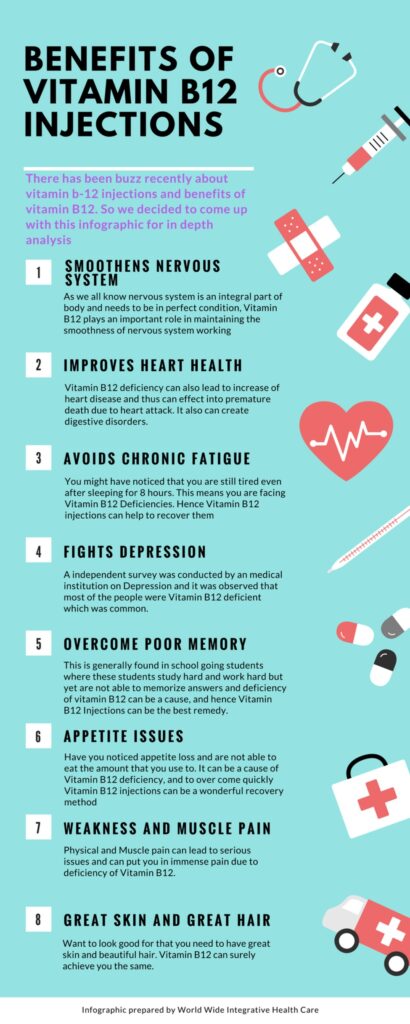

:max_bytes(150000):strip_icc()/VWH-GettyImages-1780222830-4ea0cf1f6f6e446aaa75a86f5b156df0.jpg)





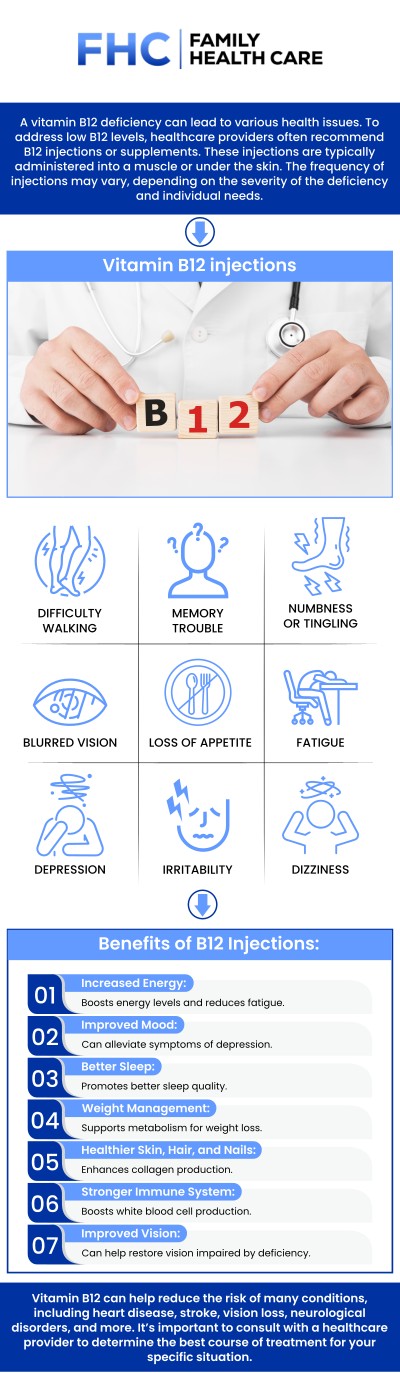
:max_bytes(150000):strip_icc()/Health-GettyImages-2188682706-0e96ad748efc48a392eab3a7e2ccb4bf.jpg)