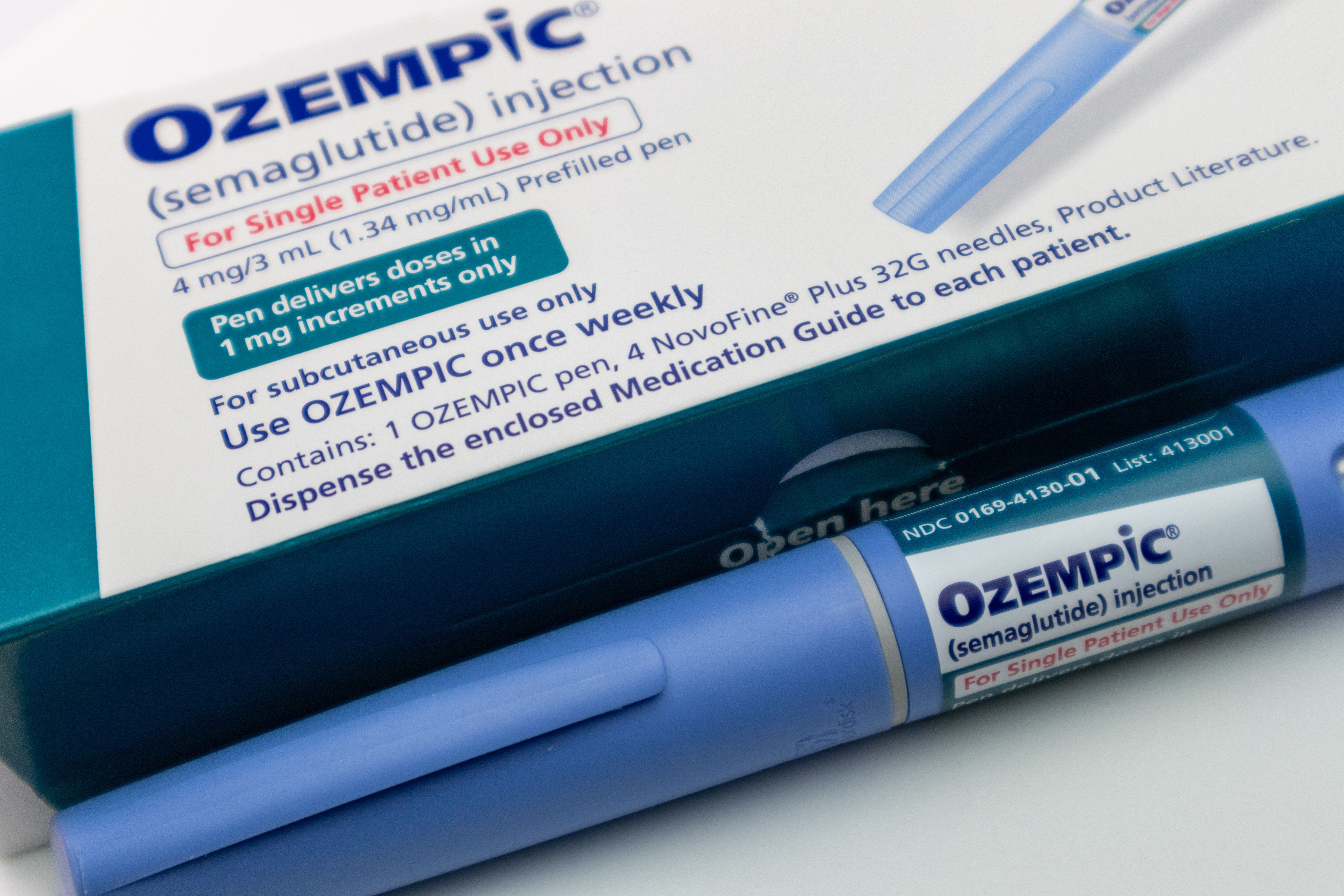
Common blood sugar patterns during illness: Elevated morning readings despite eating less Increased variability throughout the day Delayed response to medications Potential for both highs and lows Monitoring During Illness If you have diabetes, increase your blood sugar monitoring during illness: Check at least 4 times daily (morning, before meals, bedtime) Monitor more frequently if readings are above 250 mg/dL or below 70 mg/dL Test for ketones if blood sugar exceeds 250 mg/dL Keep a written log of readings to share with your provider When to Contact Your Doctor For people with diabetes using GLP-1 medications, contact your healthcare provider if: Blood sugar remains above 250 mg/dL despite medication You have ketones in your urine Youre unable to eat or drink for more than 12 hours Youre experiencing severe symptoms Youre unsure about medication dosing during illness Your provider may temporarily adjust your diabetes medication regimen during illness to maintain safe blood sugar levels

6 A smartphone or reader is needed to collect data
The psychiatric benefits: In patients with depression or anxiety, semaglutide reduced the risk of psychiatric deterioration, including hospitalization, self-harm, and suicide, by 42% This is not a class effect: semaglutide and liraglutide show the strongest psychiatric evidence
see Supplementary Fig
Its ability to manage oxidative stress, reduce inflammation, and support the liver makes it a compelling option for those asking if glutathione will help with acne