Key factors like initial cooking temperature, cooling time, and storage method play crucial roles in determining its shelf life
Since the medication supports weight loss through appetite regulation, your body composition improvements depend more on exercise consistency and nutrition quality than on pre-workout stimulants
When switching to cash-pay compounded semaglutide makes financial sense The decision tree: Switch to compounded semaglutide if: Ambetter denied coverage and appeal was unsuccessful You have a Bronze or Silver plan with annual deductible above $3,000 and have not met the deductible Your plan places Ozempic on Tier 4 with copay above $350/month You want to use semaglutide for weight loss and do not have type 2 diabetes (no insurance coverage available) The Novo Nordisk savings card was rejected at your pharmacy Stay with Ambetter-covered Ozempic if: You have a Gold plan with low or no drug deductible and Tier 3 copay under $200/month You have already met your annual deductible and your coinsurance is under 30% The Novo Nordisk savings card was accepted, reducing your cost to $25/month You prefer brand-name FDA-approved medication over compounded alternatives The math for a typical scenario: Scenario: Silver plan, $3,500 deductible, Tier 4 Ozempic Months 1-4: Pay full price ($968.52/month) = $3,874.08 Deductible met after Month 4 Months 5-12: Pay 40% coinsurance ($387.41/month) = $3,099.28 Total annual cost: $6,973.36 Alternative: Compounded semaglutide through FormBlends Months 1-12: Pay $297/month (0.5 mg dose) = $3,564 Total annual cost: $3,564 Savings: $3,409.36 The savings increase if you are on a Bronze plan with a $6,000+ deductible
Image and Video clip of Severe Melanosis Coli
doi: 10.1136/gutjnl-2024-332398 45 HamzaM.PapamargaritisD.DaviesM




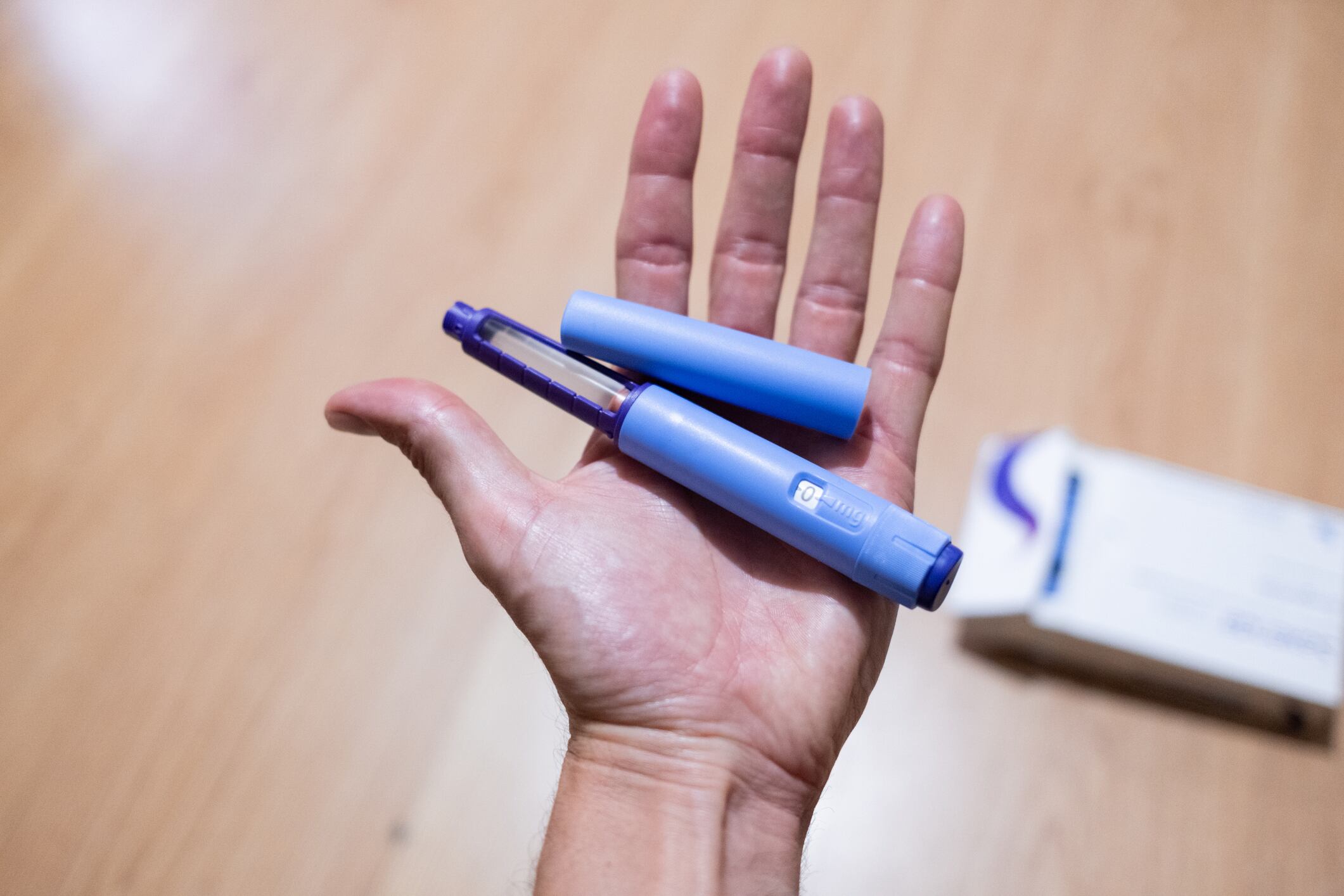


:max_bytes(150000):strip_icc():focal(710x110:712x112)/FDA-Updates-Ozempi-Label-Amid-Concerns-Over-Intestinal-Blockages-Linked-to-Semaglutide-Based-Drugs-092923-c374c02352e2400ea820da6d0cf2abc5.jpg)

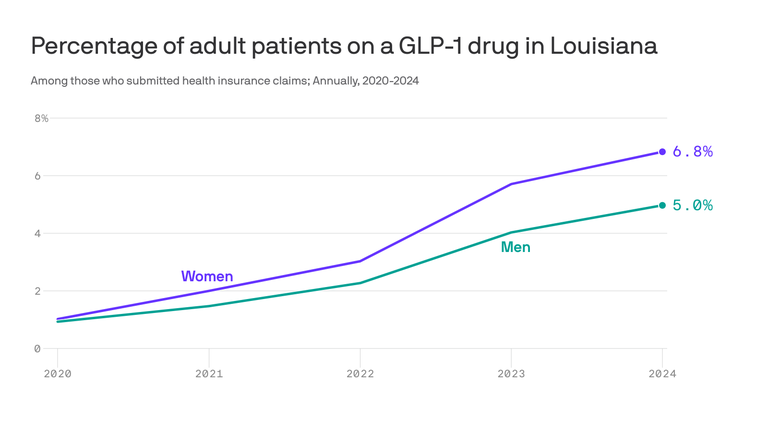
![louisiana semaglutide gastric intestinal obstruction law office glp-1 digestive blockage law office in louisiana Ozempic Lawsuit [May 2026 Update]](https://www.torhoermanlaw.com/wp-content/uploads/2024/05/Ozempic-Lawsuit.png)