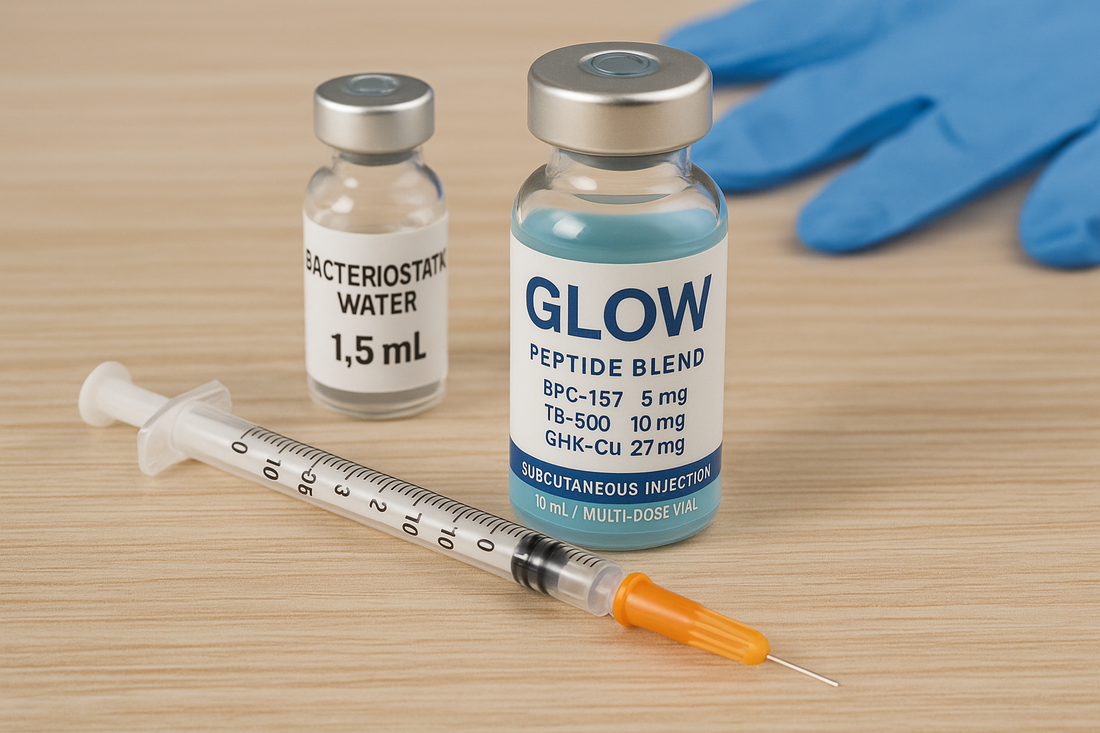
No, it is strictly intended for laboratory research purposes only
Besonders bei Sehnen- und Bnderverletzungen, wie sie hufig bei Sportlern und Bodybuildern auftreten, konnte das Peptid in Tierversuchen eine schnellere und effektivere Regeneration untersttzen
Predrag Sikiric, the lead researcher at the University of Zagreb who has published extensively on BPC-157, stated: "BPC-157 interacts with the NO system as a novel mediator of Robert's cytoprotection, maintaining endothelial integrity across multiple organ systems" [1]
Finally, this study should emphasize the general point that animal studies, per se, must be cautious, and isoprenaline studies, in particular, must be cautious regarding their results and the relative paucity of BPC 157 clinical data [2,3,4]
What a Meaningful Certificate of Analysis Should Include Complete chemical name Declared salt and counterion Free-cation and salt molecular weights where relevant Batch number and manufacture date Observed LC-MS result NMR identity evidence Counterion result Quantitative active-content assay Chromatographic purity Named and unknown impurity results Residual-solvent results Water or loss-on-drying result Elemental or inorganic-impurity testing where appropriate Method references and acceptance limits Testing-laboratory identity A clear statement of tests not performed Why 99% Purity Is Not Enough A single chromatographic percentage does not prove that the main peak is the correct positional isomer, that the counterion is correct, that the quantity is calculated properly or that residual solvents and inorganic impurities meet an appropriate specification