In a 2020 review, the researchers corroborated that silymarin's capacity to reduce oxidative stress on the liver could indeed improve biomarkers associated with conditions such as alcoholic fatty liver disease, nonalcoholic fatty liver disease, alcoholic cirrhosis, and drug-induced liver injury.29 Although the studies covered in the review used 420mg silymarin doses, others have found that amounts as low as 200mg could also impart the desired effects on liver health.30 If that weren't all, a 2018 study concluded that silymarin may actually increase glutathione levels in the liver.31 Selenium (55mcg) Selenium is an essential mineral with antioxidant properties, and one that may increase levels of an enzyme called glutathione peroxidase (GPx).32 GPx is important because it uses reduced glutathione to neutralize hydrogen peroxide,33 one of the major ROS
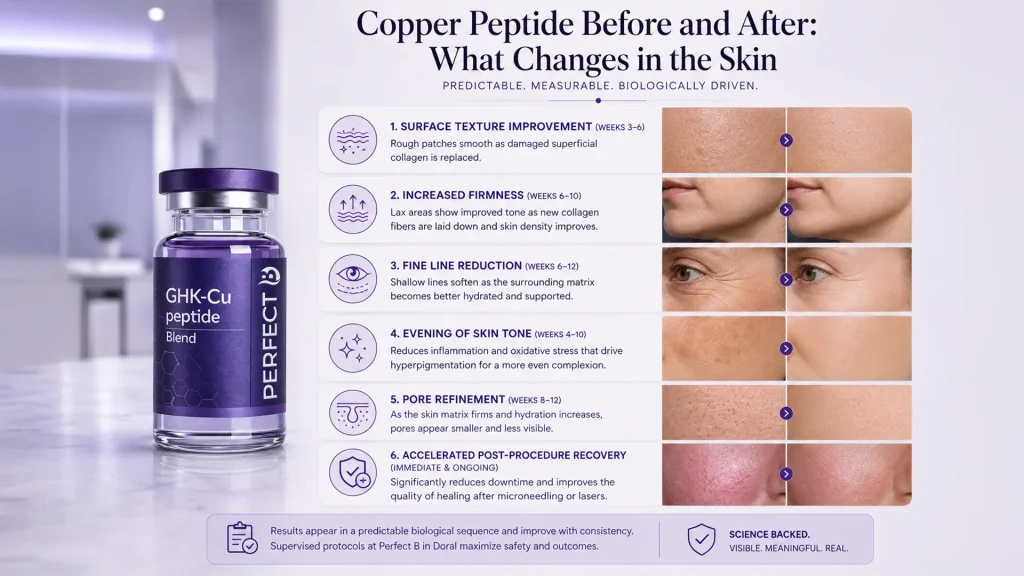
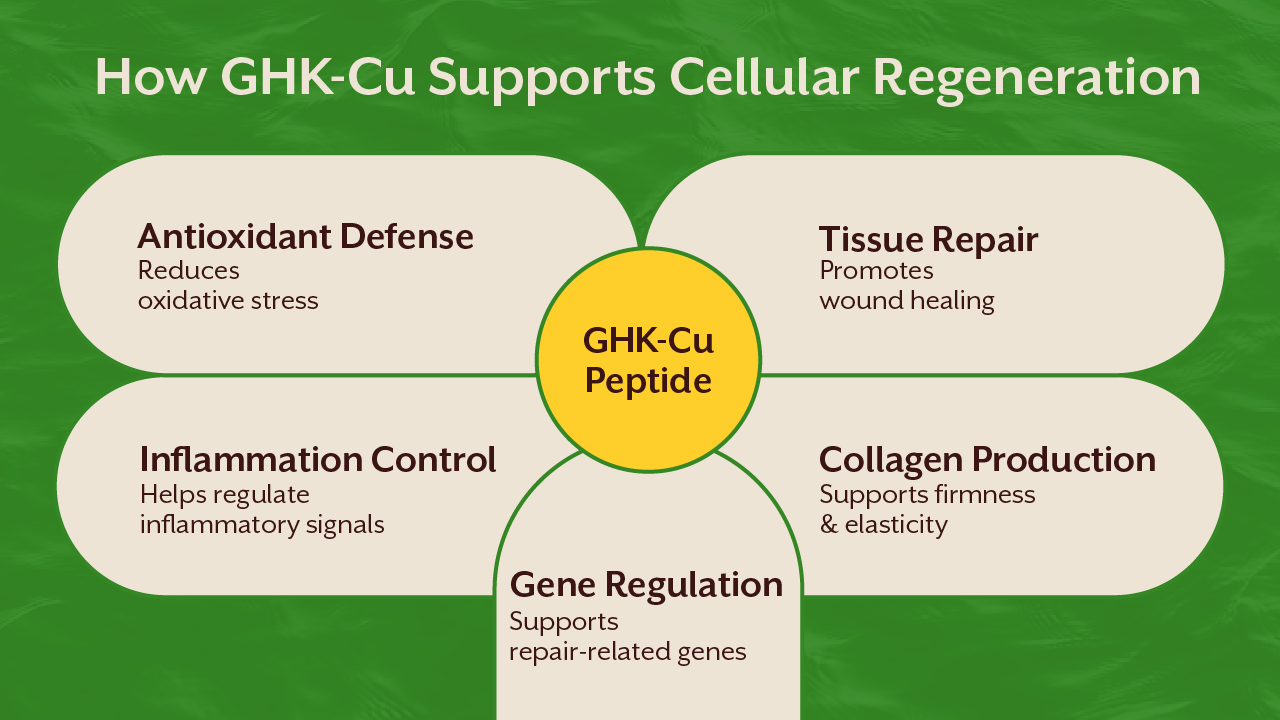
GHK-Cu stimulates fibroblasts to produce collagen types I and III, glycosaminoglycans, and decorin
The generated profiles arising from glycolytic inhibition largely fell into two clusters: the prevention of metabolite accumulation, and the acceleration of metabolite depletion
Studies demonstrate peptides and copper complexes act in nervous tissue, skin, intestine, bone, and blood vessels
Modulation of oxidative stress as an anticancer strategy




:max_bytes(150000):strip_icc()/Health-GettyImages-2236560849-a1934f1e4c004a19835cb508d021388b.jpg)